









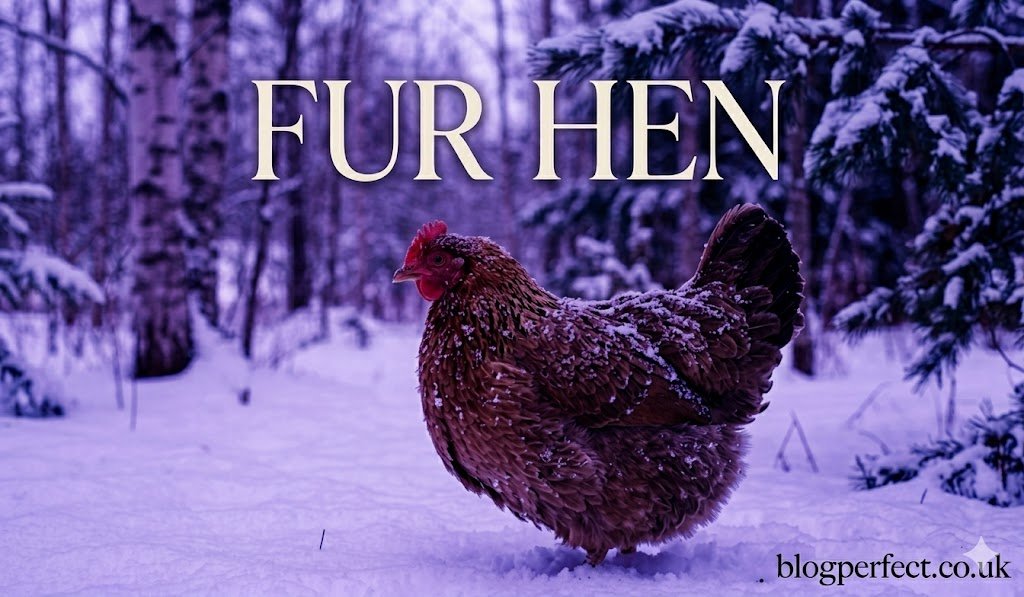
Introduction to Fur Hen
The term “Fur Hen” is commonly used online to describe chickens that look unusually fluffy, soft, or “fur-like” in appearance. However, it is important to understand that Fur Hen is not a scientific species or official poultry classification. It is a descriptive internet term used for certain chicken breeds that have feathers so soft and dense that they resemble fur instead of typical bird feathers.
In most cases, when people search for Fur Hen, they are actually referring to ornamental chicken breeds such as Silkie chickens, Cochin chickens, and Frizzle chickens, which are known for their unique feather textures and fluffy appearance.
This article explains everything about Fur Hen including its meaning, breeds, characteristics, behavior, care, uses, and frequently asked questions.
What is a Fur Hen?
A Fur Hen refers to a hen (female chicken) that has extremely soft, fluffy, and dense feathers that create a fur-like visual effect. Unlike normal chickens that have flat and structured feathers, Fur Hen types appear round, puffed, and cloud-like.
This appearance is caused by genetics, where feather structure does not form the usual smooth overlapping pattern. Instead, feathers grow loosely and outward, creating a fluffy texture.
So in simple terms:
A Fur Hen = A fluffy ornamental hen that looks like it has fur instead of normal feathers.
Is Fur Hen a Real Animal?
No, Fur Hen is not a real biological species.
All Fur Hens belong to the same species:
Domestic Chicken (Gallus gallus domesticus)
The only difference is the breed. Some breeds have unique feather structures that make them look fluffy or fur-like. So Fur Hen is just a nickname based on appearance, not a scientific classification.
Why Do Some Hens Look Like They Have Fur?
The fur-like appearance in some hens is caused by genetic feather mutations and selective breeding. These changes affect how feathers grow and how tightly they connect.
In normal chickens, feathers are structured with tiny hooks that lock together, creating a smooth surface. In Fur Hen breeds:
Feather hooks are weaker or absent
Feathers grow in multiple directions
Plumage becomes soft and fluffy
Body shape appears round and puffed
This creates the illusion of fur rather than feathers.
Most Common “Fur Hen” Breeds
Silkie Chicken
The Silkie is the most famous example of a Fur Hen. It has extremely soft, silk-like feathers that feel more like fur than feathers. Silkies are small, calm, and often kept as pets or ornamental birds.
They are also known for unique traits such as dark skin and bones, which make them one of the most unusual chicken breeds in the world.
Cochin Chicken
Cochin chickens are large, fluffy birds with dense feather coverage on their entire body, including legs. Their soft and heavy plumage gives them a rounded, fur-like appearance.
They are gentle and friendly, often used in backyard farming and exhibitions.
Frizzle Chicken
Frizzle chickens have curled feathers that bend outward instead of lying flat. This gives them a messy, fluffy look that resembles fur.
They are very popular in ornamental poultry shows because of their unique appearance.
Polish Chicken
Polish chickens are known for their large feather crests on their heads. While not fully “fur-like,” their fluffy head feathers give them a distinctive soft appearance.
Behavior of Fur Hen Breeds
Fur Hen breeds are generally known for their calm and friendly temperament. They are not aggressive and are often easy to handle.
Common behavioral traits include:
Gentle personality
Social with humans
Less aggressive than farm chickens
Suitable for backyard pets
Because of their calm nature, they are often raised as companion birds rather than commercial livestock.
Egg Production in Fur Hens
Fur Hen breeds are not known for high egg production. They are mainly ornamental birds.
On average:
Silkies lay fewer eggs compared to commercial breeds
Cochins also have moderate to low egg production
Frizzles and Polish chickens are mainly kept for appearance
Their value lies in beauty and temperament rather than productivity.
Uses of Fur Hens
Fur Hens are used for different purposes depending on their breed and purpose of raising.
Common uses include:
Backyard pet birds
Ornamental poultry collections
Poultry exhibitions and shows
Educational farm animals
Breeding for rare feather traits
They are not typically used in commercial poultry farming because their productivity is lower than standard breeds.
Care Requirements for Fur Hens
Fur Hen breeds require special care due to their fluffy feathers.
They need:
Clean and dry living spaces
Regular grooming to avoid dirt buildup
Protection from rain and mud
Safe housing from predators
Balanced poultry feed
Their feathers can trap moisture and dirt easily, so cleanliness is very important for their health.
Lifespan of Fur Hen Breeds
The average lifespan of Fur Hen breeds is similar to other chickens, usually between:
5 to 10 years depending on care, diet, and environment.
With proper care, some ornamental chickens can live even longer in safe backyard environments.
Advantages of Fur Hens
Fur Hen breeds are popular for several reasons:
Unique and attractive appearance
Friendly and calm nature
Good for pets and backyard farming
Easy to handle
Suitable for educational purposes
They are especially popular among poultry hobbyists and bird collectors.
Disadvantages of Fur Hens
Despite their beauty, Fur Hen breeds also have limitations:
Low egg production
Require more maintenance
Sensitive to wet conditions
Not suitable for commercial farming
Feathers need frequent cleaning
These factors make them less practical for large-scale poultry operations.
Cultural Popularity of Fur Hens
Fur Hen became a popular internet term because of viral photos and videos showing extremely fluffy chickens. Many people are surprised when they see birds that look like soft toys or furry animals.
Social media platforms have played a major role in spreading the term, even though it is not scientifically correct. Today, it is widely used as a casual term for fluffy chicken breeds.
Common Misconceptions About Fur Hen
Many people misunderstand Fur Hens, such as:
They are a different species (incorrect)
They have real fur like mammals (incorrect)
They are genetically part animals (incorrect)
In reality, they are completely normal chickens with unique feather structures.
Scientific Explanation of Fur-Like Feathers
From a biological point of view, the fur-like look comes from:
Modified feather structure
Weak or missing feather interlocking
Dense plumage growth
Genetic breeding selection
These changes affect only appearance, not classification. All Fur Hens remain birds in the same chicken species.
Conclusion
Fur Hen is not a real scientific animal but a popular descriptive term used for fluffy chicken breeds that appear to have fur-like feathers. The most common examples include Silkie, Cochin, Frizzle, and Polish chickens.
These birds are loved for their unique appearance, gentle behavior, and ornamental value. While they are not suitable for commercial farming, they are highly popular as pets and exhibition birds.
Understanding Fur Hen helps clarify that it is simply a visual description, not a biological category, and all such birds are part of the domestic chicken family.
FAQs about Fur Hen
What is a Fur Hen?
A Fur Hen is a term used for chickens that have very fluffy, soft feathers that look like fur. It is not an official breed or species but a descriptive name.
Is Fur Hen a real chicken species?
No, Fur Hen is not a real species. All Fur Hens are normal chickens belonging to the species Gallus gallus domesticus.
Which chicken is called a Fur Hen?
Silkie chickens are the most common example, but Cochin, Frizzle, and Polish chickens are also sometimes included due to their fluffy appearance.
Do Fur Hens lay eggs?
Yes, they do lay eggs, but their egg production is lower compared to commercial chicken breeds because they are mainly ornamental birds.
Why do some chickens look like they have fur?
Some chickens have genetic feather structures that make their feathers soft, loose, and fluffy, giving a fur-like appearance.
Are Fur Hens good pets?
Yes, Fur Hens are often kept as pets because they are calm, friendly, and easy to handle.
How long do Fur Hens live?
They usually live between 5 to 10 years depending on care, diet, and environment.